




Published
Buying a home in Goa follows the same broad path as anywhere in India, with a few local documents worth knowing. Here are the steps in the order they usually happen, and what to check at each one.
1. Visit, and see the real thing
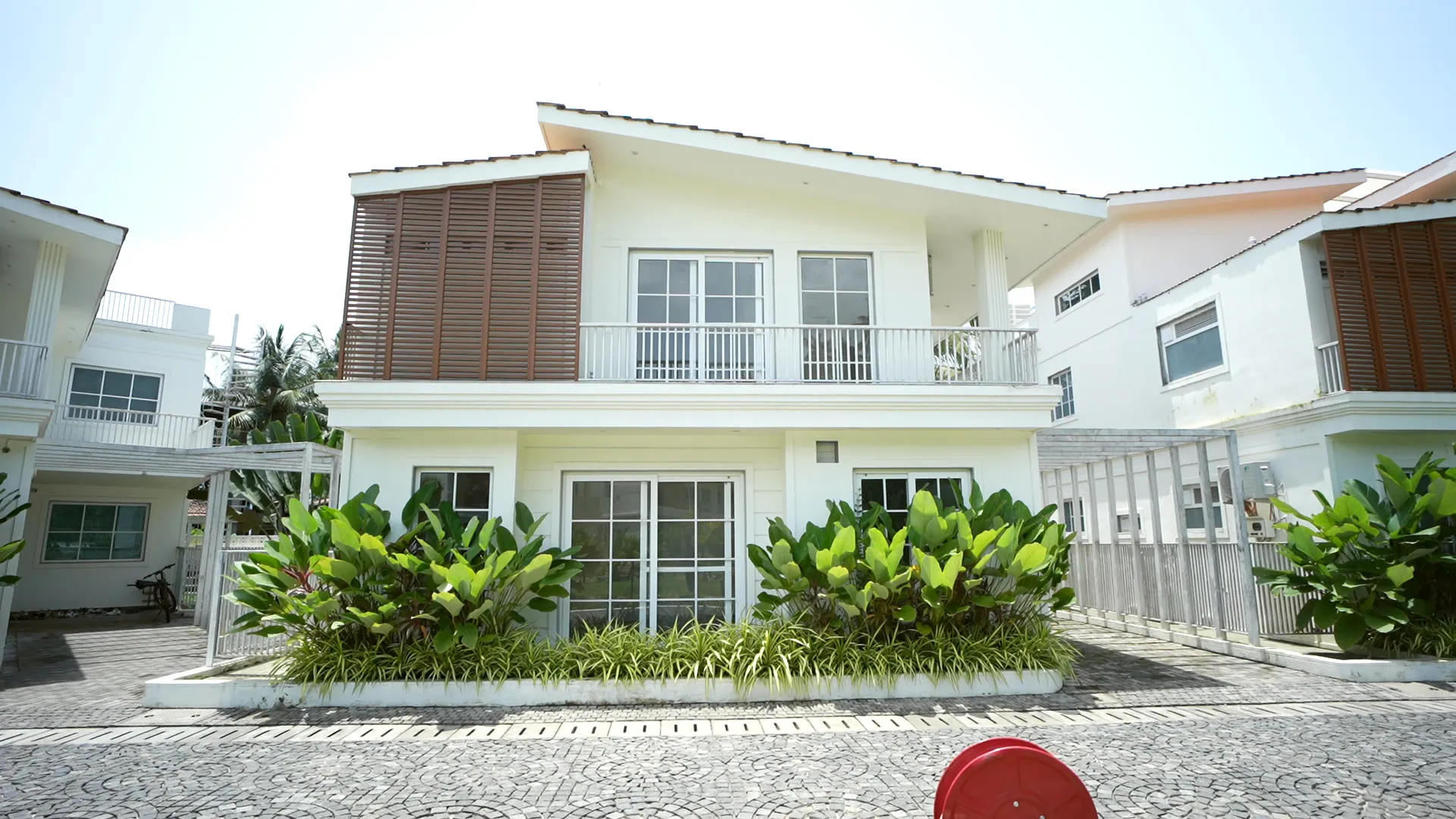
Look at the plot, the street and, where one exists, a finished home. Renders show intent; a built villa shows workmanship. Ask to see the floor plans you'd be buying, not a typical plan, and note the carpet area, which is the figure RERA uses.
2. Check the project on Goa RERA
Every registered project is listed on the Goa RERA website, which anyone can search without logging in. Check the registration number, its validity, the developer's name and the land details. We explain how in How to check a villa project on Goa RERA.
3. Ask for the documents
- proof of the developer's title to the land;
- the conversion of the land for residential use (in Goa, a conversion sanad);
- the approved building plans and the construction licence;
- the RERA registration certificate;
- for a finished home, the completion and occupancy certificates.
A good developer will share these readily. If any are missing, ask why.
4. Understand the full cost
The price of the villa is one part. GST applies to homes bought before completion. Stamp duty and registration fees are payable when the property is registered. The Government of Goa sets their rates, which change from time to time, so check them with the sub-registrar's office or ask us for a current breakdown. Then add your lawyer's fees, and any maintenance deposit set out in the agreement.
5. Book, then sign a registered agreement for sale
Under the RERA Act, a developer cannot take more than 10 per cent of the cost of a home as an advance or application fee without first signing a written agreement for sale with you and registering it. The agreement sets out the specifications, the payment schedule, the date of possession and what happens if either side defaults.
6. Arrange your finance
If you're taking a home loan, apply early. Lenders assess the project as well as you, and many keep a list of approved projects. Our EMI calculator gives an indicative monthly figure; your lender will confirm the real one.
7. Pay in stages
For a home under construction, payments usually follow construction milestones set out in the agreement. Under the RERA Act, 70 per cent of what you pay goes into a separate account that can be used only for that project.
8. Handover and the sale deed
At completion, you inspect the home, the developer hands over possession, and the sale deed is executed and registered at the sub-registrar's office, where the stamp duty and registration fee are paid. Keep the occupancy certificate with your papers.
Buying from outside India
Rules for non-resident Indians and foreign nationals are different, and change. Take legal advice before you commit. We'll cover this in a separate note.
If you would like to walk through these steps for a particular villa, arrange a visit. We will show you the documents and give you a full cost breakdown.