



Published
Mandrem is a coastal village in Pernem, the northernmost taluka of Goa. About 8,300 people lived there at the 2011 census. It has kept the character many people come to North Goa looking for: paddy fields and coconut groves inland, a fishing community on the shore, and a beach that stays calm even in season. The name is said to come from Manjrey, which the Portuguese spelt Mandrem.
Two beaches and a creek
Mandrem's coast is made up of two beaches, Junas and Ashvem. A small tidal creek runs parallel to the shore, so at high tide the sea pushes in and the beach becomes a strip of sand between the river and the waves.
Fishing boats still work from the beach, and it's common to see the catch brought in early in the morning.
A protected coast
The Goa Forest Department has set aside stretches of Mandrem and neighbouring Morjim as nesting sites for Olive Ridley sea turtles. These two beaches, together with Agonda and Galgibaga in the south, make up Goa's designated turtle-nesting coast. The nesting season runs from September to April, and protected nests are marked during that time. If you walk the beach at night in season, keep torches low and give marked nests a wide berth.
Living here
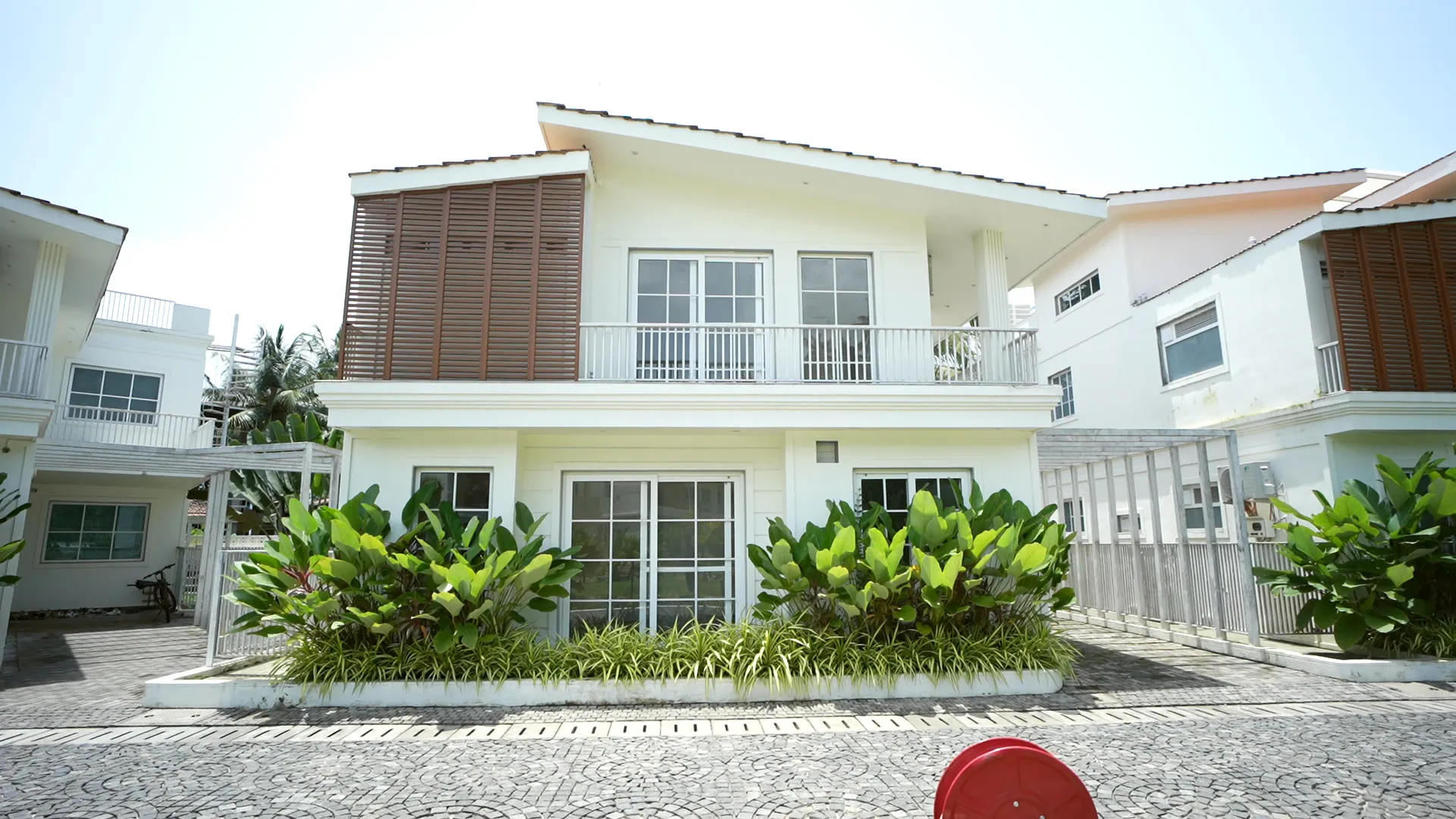
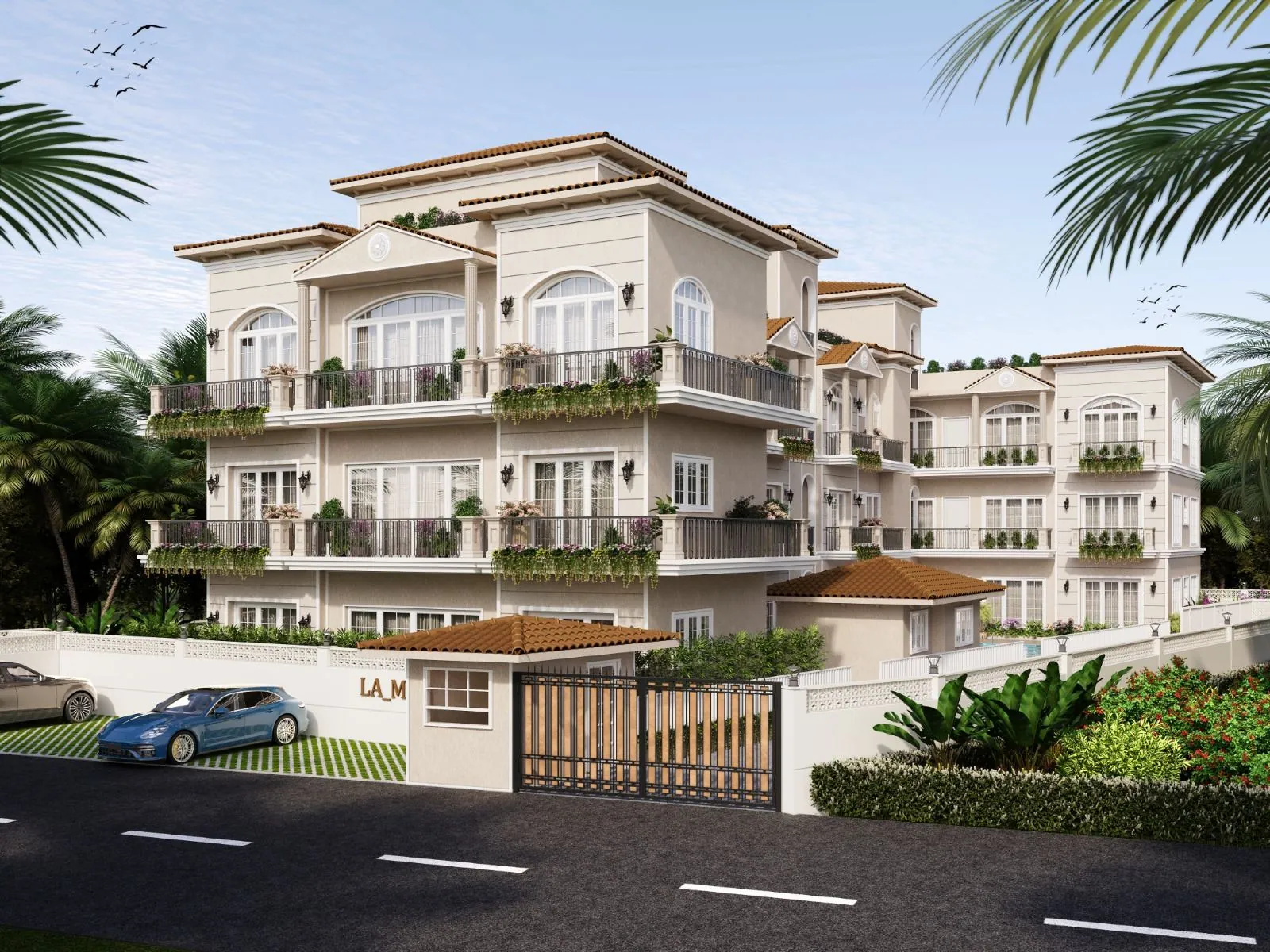
Mandrem is a village first. Building here means building at the scale of a village: low, set back among the trees, and with respect for the coast. Our two Mandrem projects follow that rule. La Mandre is a group of thirteen villas on 310 sq m plots, and La Serein is an enclave of nine villas on a single private road.
If you'd like to see the village and the homes for yourself, arrange a visit. We'll walk you through both.